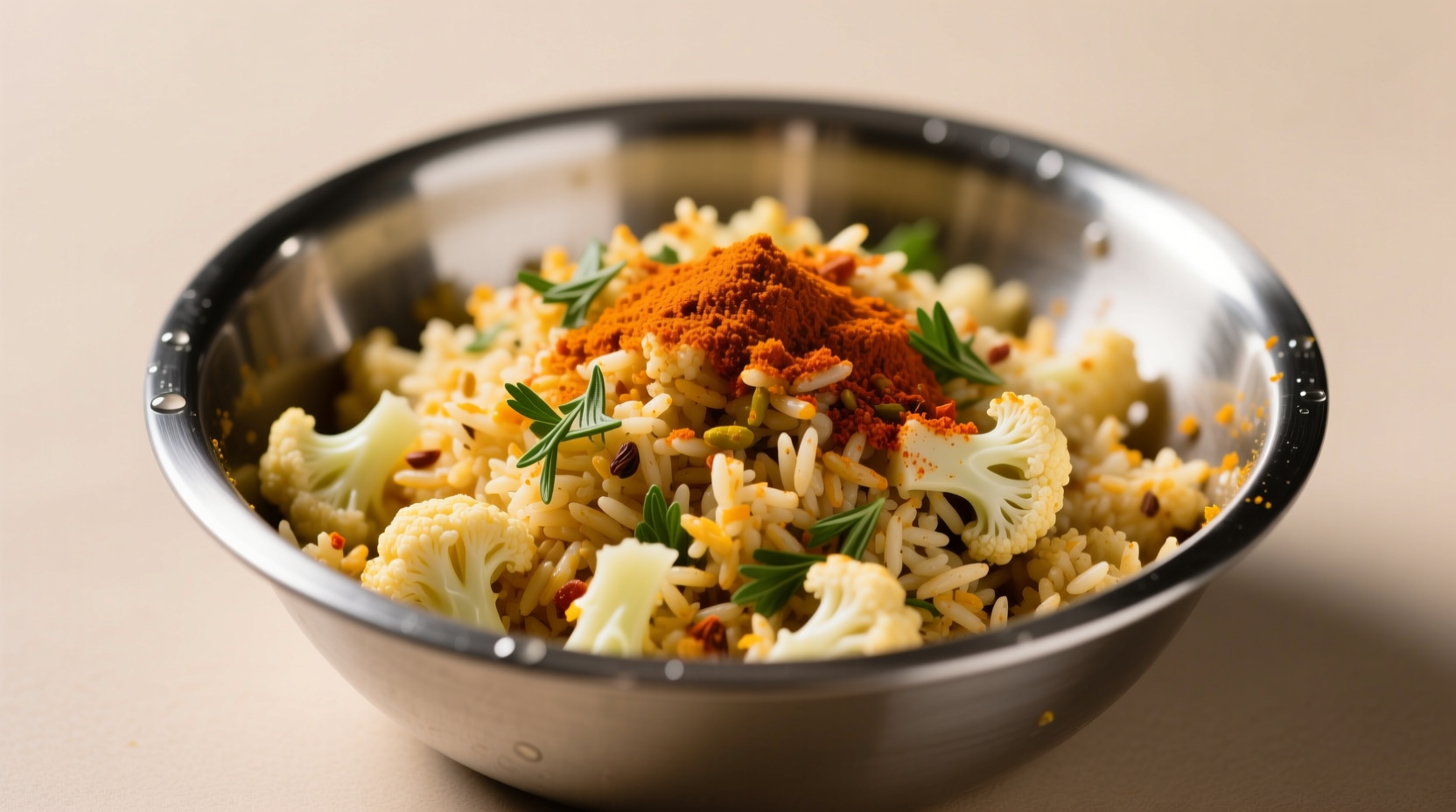
Fats, Spices & Grains: The Secret to Flavorful Cauliflower Rice
Cauliflower rice, a low-carb darling, has soared in popularity as a versatile alternative to traditional grains. For those managing carbohydrate intake or simply seeking to incorporate more vegetables, it's a fantastic option. However, its meteoric rise often comes with a common complaint: it can be incredibly bland. Without thoughtful additions and strategic cooking, plain riced cauliflower often falls short of satisfying the palate. It's just cauliflower, after all, processed into rice-like granules.
The good news is that bland cauliflower rice can be a thing of the past. Transforming this humble vegetable into a truly delicious and crave-worthy dish isn't complicated; it simply requires embracing the same principles we apply to making regular rice more exciting: leveraging the power of fats, the aromatic allure of spices and herbs, and the textural interplay of grains. Let's dive into how you can elevate your cauliflower rice from an austere side to a dish that truly sings.
The Foundation of Flavor: Fats & Oils
One of the primary reasons plain cauliflower rice can be disappointing is its almost non-existent fat content. Fat, quite simply, equals flavor. It carries aromas, enhances texture, and provides a satisfying mouthfeel that raw cauliflower alone cannot deliver. This makes your choice of fat the first and arguably most crucial step in crafting delicious cauliflower rice.
Aim for about a tablespoon of your chosen fat per four cups of riced cauliflower. This seemingly small amount works wonders, coating each granule and infusing the entire dish with richness and taste. Sautéing your cauliflower rice in this fat for five to ten minutes (leaning towards the higher end for frozen varieties) is a game-changer.
- Butter: A classic for a reason, butter offers a rich, comforting flavor. Opting for grass-fed butter can provide an even deeper, more nuanced taste profile. As it cooks, the butter caramelizes slightly, adding delightful nutty notes.
- Ghee: For an intensely buttery, almost nutty flavor, look to ghee. This clarified butter, a staple in Indian cuisine, boasts a higher smoke point and a more concentrated taste, instantly elevating your cauliflower rice with its distinct aroma.
- Olive Oil: Extra virgin olive oil lends its iconic grassy, peppery notes, making it perfect for Mediterranean-inspired dishes. Its robust flavor pairs wonderfully with lemon and fresh herbs, forming a vibrant base for grilled fish or chicken.
- Coconut Oil: If you're aiming for tropical or Southeast Asian vibes, coconut oil is your go-to. Its subtle sweetness and nutty undertones are divine, especially when paired with a splash of full-fat coconut milk. This combination transforms your cauliflower rice into an exotic side, perfect for curries or stir-fries.
- Other Options: Don't limit yourself! Avocado oil offers a neutral base with a high smoke point, while a drizzle of sesame oil at the end can add an incredible depth for Asian-inspired meals.
Unleashing Aroma: The Magic of Spices & Herbs
Once you've laid down a flavorful fat foundation, it's time to bring in the aromatics. Spices and herbs are your best friends in transforming bland cauliflower rice into a culinary delight. The key is to bloom your spices in the hot fat at the beginning of the cooking process, allowing their essential oils to release and infuse the entire dish.
Essential Aromatic Foundations:
- Garlic & Onion: These are non-negotiable for most savory dishes. Sautéing minced garlic and finely diced onion (or shallots) until fragrant creates a robust base. Garlic powder and onion powder can be used in a pinch, but fresh always provides superior flavor.
- Fresh Herbs: A sprinkle of fresh herbs at the end can brighten any dish. Think chopped parsley, cilantro, chives, dill, or basil. Their vibrant notes offer a contrast to the cooked cauliflower, adding freshness and complexity.
- Dried Spices: This is where global flavors truly shine.
- Indian/Middle Eastern: Cumin, turmeric, coriander, garam masala, and a touch of cardamom can transport your cauliflower rice to another continent. Turmeric not only adds flavor but also a beautiful golden hue.
- Mediterranean: Oregano, thyme, rosemary, and smoked paprika pair beautifully with olive oil and lemon.
- Mexican/Southwestern: Chili powder, cumin, smoked paprika, and a pinch of cayenne bring warmth and a kick.
- Asian: Ginger powder, white pepper, and a touch of five-spice powder can create an authentic backdrop.
- Heat & Zing: For those who love a kick, red pepper flakes, fresh chopped chilies, or a swirl of sriracha or other hot sauce can awaken the palate. Consider the Spicy Sriracha Cauliflower Rice recipe for an exhilarating experience.
- Citrus Zest & Juice: A squeeze of fresh lemon or lime juice and a sprinkle of zest can dramatically uplift flavors, adding a bright, tangy finish. The Lemon Herb Cauliflower Rice is a perfect example of this refreshing approach.
Beyond the Basics: Grains & Creative Mix-Ins
While the goal is often a low-carb alternative, there's no rule saying your cauliflower rice has to fly solo. Blending it with traditional grains offers a fantastic way to introduce new textures, flavors, and a slightly more familiar mouthfeel, without significantly increasing your carb count if done strategically.
Blending with Grains:
When mixing with grains, remember that cauliflower rice and most grains have different cooking times. It’s generally best to cook them separately and then combine. You can adjust the ratio to your preference, opting for less grain if you're keen to keep carbohydrate totals lower, or an equal 1:1 ratio for a more substantial dish.
- Jasmine Rice: Its incredibly fragrant, subtly floral aroma can mask any lingering cruciferous notes of cauliflower and provide a delightful chewiness. It's a superb base for curries, stir-fries, or even a homemade poke bowl.
- Quinoa: For a protein boost and a pleasant, nutty chew, quinoa is an excellent choice. Its earthy flavor complements cauliflower beautifully.
- Farro or Brown Rice: These offer a heartier, chewier texture and a richer, more complex flavor profile, making your mixed rice dish even more satisfying.
Creative Mix-Ins for Boosted Flavor & Texture:
Beyond grains, a plethora of ingredients can transform your cauliflower rice:
- Nuts & Seeds: Toasted almonds, cashews, pine nuts, or sesame seeds add crunch and a nutty depth.
- Cheese: A sprinkle of Parmesan (as in the Garlic Parmesan Cauliflower Rice from our references), crumbled feta, or goat cheese introduces savory, tangy, or creamy notes.
- Roasted Vegetables: Carrots, bell peppers, mushrooms, or even more roasted cauliflower florets can add sweetness, earthiness, and visual appeal.
- Broths & Stocks: Instead of water, cook your cauliflower rice in vegetable or chicken broth for an instant boost of savory umami.
- Legumes: A handful of chickpeas or black beans can add protein and fiber, turning your side into a more complete meal.
- Dried Fruits: For a touch of sweetness and chewiness, especially in more spiced or Middle Eastern-inspired dishes, consider golden raisins or dried cranberries.
Mastering the Cook: Techniques for Texture & Taste
The cooking method itself plays a vital role in the final flavor and texture of your cauliflower rice. While simple sautéing is effective, a few nuanced techniques can yield even better results.
- Sautéing with Care: Don't overcrowd the pan. Cook in batches if necessary to ensure the cauliflower rice steams rather than gets mushy. High heat and sufficient fat encourage a slight browning, which develops deeper, nuttier flavors. For frozen cauliflower rice, extend the cooking time by a few minutes to ensure any excess moisture evaporates.
- Roasting for Depth: For a completely different texture and a more intensely nutty flavor, try roasting your cauliflower rice. Toss it with oil and seasonings on a baking sheet and roast until tender-crisp and slightly browned. This method reduces moisture and concentrates flavor beautifully.
- Creamy Consistency: If you desire a creamier texture, you can add a splash of coconut milk, cream, or even a dollop of cream cheese or Greek yogurt towards the end of cooking. For an ultra-smooth finish, an immersion blender or potato masher can be used sparingly to break down some of the grains, creating a risotto-like consistency.
- Seasoning Strategy: Season at multiple stages. A pinch of salt and pepper when you add the cauliflower rice, and then taste and adjust at the end. Consider adding a splash of acid (lemon/lime juice or a vinegar) just before serving to brighten all the flavors.
By thoughtfully combining fats, spices, grains, and employing smart cooking techniques, your cauliflower rice will transcend its reputation for blandness. It becomes a versatile, delicious, and deeply satisfying dish in its own right, ready to complement any meal or steal the show on its own.
