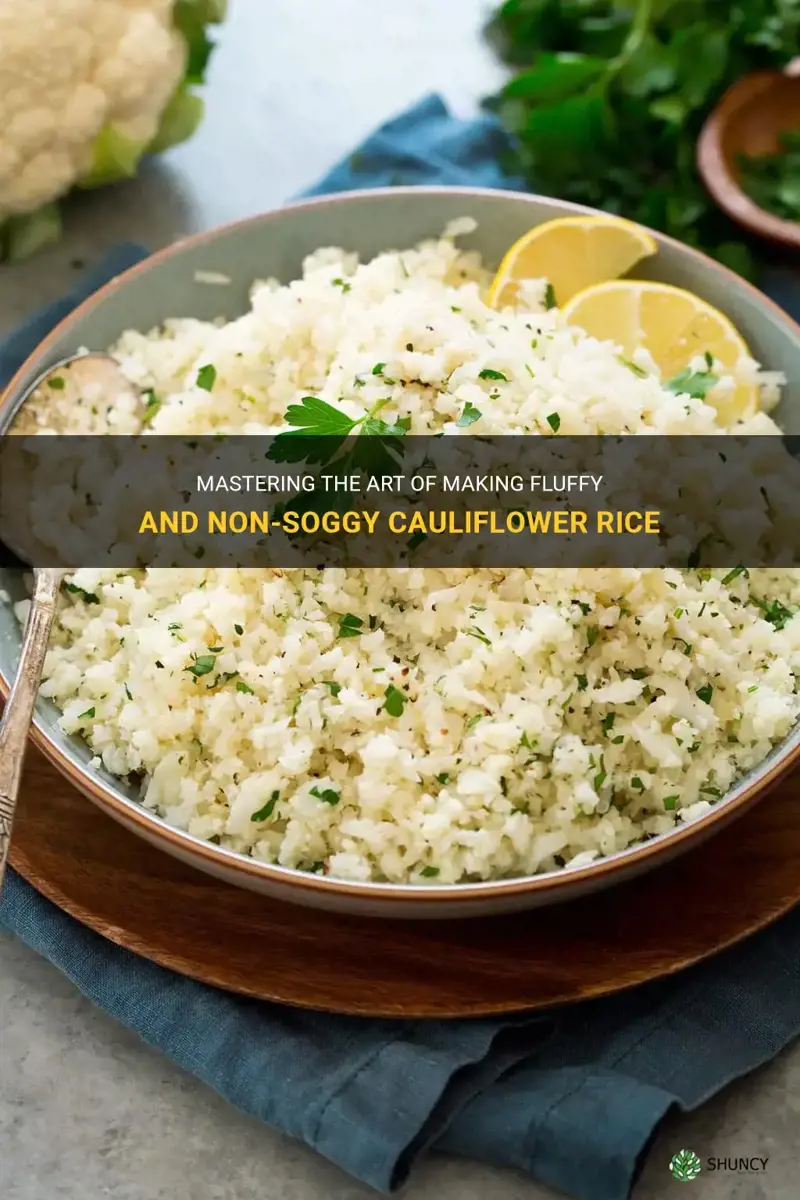
Bland No More: Make Cauliflower Rice Taste Delicious
Once relegated to specialty health food stores, cauliflower rice has exploded in popularity as a versatile, low-carb alternative to traditional grains. For many seeking to reduce carbohydrate intake or boost their vegetable consumption, riced cauliflower offers an excellent solution. It’s light, packed with nutrients, and incredibly adaptable. However, despite its many virtues, cauliflower rice often gets a bad rap for being... well, bland. If you've ever found yourself pushing around a sad, unseasoned pile on your plate, you're not alone. The truth is, without a bit of culinary care, plain cauliflower rice can be a disappointing experience.
But here’s the good news: cauliflower rice doesn't have to be boring! Just like its grain counterparts, it craves flavor, fat, and a thoughtful cooking approach. By understanding a few fundamental principles and incorporating some clever additions, you can transform this humble veggie into a truly delicious and satisfying component of any meal. Forget the days of uninspired sides; it's time to make your cauliflower rice sing. Let’s dive into the secrets of unlocking its full flavor potential.
The Foundation of Flavor: Fat is Your Friend
The first rule of making anything taste good, especially a low-fat vegetable, is simple: fat is flavor. Raw cauliflower, by its nature, contains virtually no fat, which is a primary reason why it can taste so austere on its own. Introducing a high-quality fat is not just about lubrication; it's about infusing the dish with rich flavors, creating a satisfying mouthfeel, and acting as a carrier for other aromatics and spices.
For every four cups of cauliflower rice, a single tablespoon of fat is usually sufficient to make a significant impact. Simply sautéing your cauliflower rice in your fat of choice for five to ten minutes (a bit longer for frozen varieties, as they contain more moisture) will begin to develop its character. The choice of fat, however, is where the real magic begins, allowing you to steer your dish in various culinary directions:
- Butter: A classic for a reason, butter imparts a creamy, rich flavor that instantly elevates cauliflower rice. Opt for grass-fed butter if possible, as it often boasts a deeper, more nuanced taste.
- Ghee: This clarified butter, popular in Indian cuisine, takes buttery flavor to the next level. With its concentrated, nutty notes and high smoke point, ghee provides an incredibly aromatic and savory base.
- Extra Virgin Olive Oil: For a fresh, Mediterranean vibe, extra virgin olive oil is an excellent choice. Its iconic grassy and sometimes peppery notes complement a wide array of dishes, particularly those featuring grilled fish, chicken, or vibrant vegetable preparations.
- Coconut Oil: If you're leaning towards tropical or Southeast Asian flavors, coconut oil introduces a subtle sweetness and nutty undertone. For an even more indulgent and creamy texture, consider adding a splash of full-fat coconut milk during the cooking process. This combination is a fantastic base for Thai-inspired curries or other exotic mains.
The right fat sets the stage for a truly flavorful dish. For an even deeper dive into how different fats can revolutionize your cooking, explore our article on Fats, Spices & Grains: The Secret to Flavorful Cauliflower Rice.
Beyond the Basic: Spices, Herbs, and Aromatics
Once you've laid down a flavorful fat foundation, it's time to build layers of taste with spices, herbs, and aromatics. This is where your creativity can truly shine, transforming simple cauliflower rice into a dish that excites the palate. Think of these additions as the personality of your dish, defining its character and pairing perfectly with your main course.
- Aromatics: Don't underestimate the power of starting with a strong aromatic base. Sautéing finely minced garlic, diced onion, or shallots in your chosen fat before adding the cauliflower rice builds a profound depth of flavor. A little grated fresh ginger can add a bright, spicy kick, especially when aiming for Asian-inspired dishes.
- Dried Spices: These are your best friends for global flavors. Toasting dried spices like cumin, turmeric, paprika, chili powder, or a curry blend for a minute or two in the hot fat before adding the cauliflower rice helps to release their essential oils, intensifying their flavor. For an Italian flair, a generous sprinkle of dried oregano, basil, and thyme can work wonders.
- Fresh Herbs: Adding fresh herbs towards the end of cooking (or as a garnish) provides a burst of vibrant flavor and color. Chopped parsley, cilantro, chives, dill, or basil can brighten any dish and complement various cuisines. For example, fresh dill pairs beautifully with lemon, while cilantro is essential for Mexican or Indian-inspired dishes.
- Acids: A squeeze of fresh lemon or lime juice at the end of cooking acts as a natural flavor enhancer, brightening the dish and cutting through any richness. Don't forget the zest for an even more intense citrus punch!
- Umami Boosters: Ingredients like a dash of soy sauce or tamari, a spoonful of tomato paste (sautéed until caramelized), or even a sprinkle of nutritional yeast can add a savory, umami depth that makes your cauliflower rice utterly irresistible.
Let's look at some popular and delicious flavor profiles:
- Garlic Parmesan Cauliflower Rice: This is a fan-favorite for a reason. Start by sautéing plenty of minced garlic until fragrant. Add the cauliflower rice, cook until tender, then stir in freshly grated Parmesan cheese and a handful of chopped fresh parsley. The result is a creamy, garlicky, and cheesy side that pairs beautifully with almost any protein. For an extra treat, top with a fried egg for a hearty meal.
- Spicy Sriracha Cauliflower Rice: For those who love a kick, sriracha is your go-to. Sauté your cauliflower rice, then stir in sriracha to taste. You can balance the heat with a touch of honey or maple syrup and add some toasted sesame oil and sesame seeds for an authentic Asian-inspired side. This dish is crunchy, spicy, and incredibly satisfying.
- Lemon Herb Cauliflower Rice: Light, refreshing, and bursting with flavor, this variation is perfect for spring and summer meals. Cook the cauliflower rice, then fold in fresh lemon juice and zest, along with a medley of fresh herbs like dill, parsley, and chives. It’s an ideal accompaniment to grilled fish, chicken, or as the base for a vibrant grain bowl.
Texture and Substance: Blending with Grains and Creative Additions
While cauliflower rice is excellent on its own, sometimes you crave a little more substance or a familiar texture. This is where blending it with traditional grains or incorporating other creative mix-ins can truly elevate your dish, offering both enhanced flavor and a more satisfying mouthfeel.
Blending with Grains: The Best of Both Worlds
One of the simplest yet most effective ways to boost your cauliflower rice's appeal is to mix it with your favorite grain. This strategy allows you to enjoy the benefits of a low-carb alternative while still getting the comfort and flavor of traditional rice or other grains. The ratio is entirely up to your dietary needs and preferences – you can go 50/50, or use less grain if you're aiming for a lower carbohydrate count.
- Jasmine Rice: Its fragrant aroma and subtle floral notes can elegantly mask any lingering cruciferous flavors from the cauliflower, making it an excellent pairing for curries, stir-fries, or even a deconstructed poke bowl.
- Quinoa: For a protein boost, a delightful nutty flavor, and a satisfying chew, quinoa is an ideal companion. Its tiny, fluffy grains add fantastic texture.
- Brown Rice: Offers a heartier, nutty flavor and more fiber, perfect for robust dishes.
- Farro or Bulgur: These ancient grains provide a wonderful chewiness and a wholesome, earthy taste that complements the cauliflower beautifully.
Important Tip: Remember that cauliflower rice and most grains have different cooking times. For best results, cook your chosen grain separately according to its package instructions, then gently fold it into your seasoned and cooked cauliflower rice just before serving.
Beyond Grains: Creative Mix-ins and Toppings
Don't stop at grains! Think about your cauliflower rice as a canvas for a variety of textures and flavors. Adding extra ingredients can turn a simple side into a complete, show-stopping meal.
- Proteins: Beyond the suggested fried egg, consider adding shredded chicken, sautéed shrimp, crumbled tofu, or roasted chickpeas for an instant protein boost.
- Veggies: Incorporate other vegetables like sautéed mushrooms, diced bell peppers, spinach (wilted in at the end), corn, or peas. Roasting root vegetables separately and then mixing them in can add sweetness and depth.
- Nuts and Seeds: A sprinkle of toasted almonds, cashews, pumpkin seeds, or sunflower seeds can add a delightful crunch and healthy fats.
- Cheeses: Besides Parmesan, crumbled feta, goat cheese, or even shredded cheddar can add a creamy, savory dimension.
- Sauces and Dressings: A drizzle of pesto, a tahini dressing, a dollop of hummus, or a spoonful of a flavorful peanut sauce can tie all the components together beautifully.
These additions transform your cauliflower rice from a humble side to a truly dynamic dish, proving it can be both healthy and incredibly satisfying. Many of these ideas can come together in under 20 minutes, perfect for busy weeknights. For more inspiration on quick, flavorful meals, check out our guide: Quick & Healthy: Delicious Cauliflower Rice in Under 20 Min.
Cooking Techniques That Elevate
While sautéing is the most common way to prepare cauliflower rice, exploring other cooking methods can significantly impact its flavor and texture, taking it from good to truly great. Different techniques can bring out distinct characteristics, from nutty roasted notes to a surprisingly creamy consistency.
- The Perfect Sauté: When sautéing, ensure your pan is hot and avoid overcrowding it. Cooking in batches if necessary allows the cauliflower rice to brown slightly, developing a deeper, nuttier flavor rather than simply steaming and becoming mushy. This browning, or Maillard reaction, is crucial for building savory complexity.
- Roasting for Depth: One of the most underrated methods for cauliflower rice is roasting. Spread it in a single layer on a baking sheet, toss lightly with your chosen fat and seasonings, and roast at a higher temperature (e.g., 400°F/200°C) until tender and lightly caramelized. Roasting dries out excess moisture, intensifies the natural sweetness of the cauliflower, and creates a wonderfully satisfying texture that's less "wet" than sautéed versions.
- Creamy & Dreamy with a Blender/Masher: For a truly special and unexpected twist, consider mashing or blending your cooked cauliflower rice. After sautéing or roasting until very tender, transfer it to a food processor, use an immersion blender, or even a potato masher. Add a splash of broth, a touch of cream cheese, or a spoonful of soft cheese (like goat cheese or mascarpone) for a luxurious, risotto-like consistency. This method works wonderfully for creating a mock "cauliflower risotto" or a creamy base for stews.
Conclusion
The journey from bland to brilliant with cauliflower rice is simpler than you might think. By embracing the power of flavorful fats, layering in aromatic spices and fresh herbs, exploring complementary grains, and experimenting with various cooking techniques, you can transform this healthy staple into a dish you genuinely crave. It’s all about treating cauliflower rice not as a mere substitute, but as an ingredient worthy of culinary attention. So, next time you're preparing this versatile veggie, remember these tips, pull out a few extra ingredients, and get ready to enjoy a side dish that's far from boring – one that's genuinely delicious, satisfying, and a testament to the fact that healthy eating can also be incredibly flavorful.
